HANAMIYA HOTEL TO OPEN IN KYOTO IN AUTUMN 2026, OFFERING AN INTIMATE SIX-SUITE RETREAT IN THE HEART OF THE CITY
A Private Kyoto Experience Combining River Views, Contemporary Craftsmanship, and Omakase Dining
September, 2026KYOTO, JAPAN — September 2026 — Hanamiya, an intimate six-suite luxury boutique hotel, is scheduled to open in Kyoto’s Tennocho area in Autumn 2026, offering a private and highly considered base from which to discover Kyoto’s cultural and artistic heart and the enduring traditions of one of Japan’s most richly layered cities.Set overlooking the Kamo and Takase Rivers, Hanamiya Hotel brings together Kyoto craftsmanship, contemporary Japanese design, exceptional sushi, and views toward some of the city’s most celebrated landmarks, including Yasaka Pagoda and Kiyomizu-dera Temple.Approximately a five-minute walk from Kyoto-Kawaramachi Station in the lively center of Kyoto, Hanamiya offers an atmosphere of privacy and seclusion. With only six guestrooms, the hotel is particularly suited to discerning travelers, families, and larger groups seeking an exclusive stay in the city. Each floor comprises two suites, which can be reserved together as a private floor, creating the feeling of an exclusive residence in the heart of Kyoto.
SIX ROOMS, ROOTED IN KYOTO CRAFTSMANSHIP
Each of Hanamiya’s six guestrooms has been conceived as a contemporary interpretation of Kyoto’s traditional aesthetic, with an emphasis on natural materials, artisanal techniques, and understated luxury. Alternatively, the two rooms on the same floor can be combined into a two-bedroom suite, which can accommodate up to 9 guests.Traditional crafts including urushi lacquer, Kyoto textiles, ceramics, and karakami decorative paper are incorporated throughout the interiors. Richly finished lacquer surfaces, warm-toned wood, and delicate latticework create spaces that feel distinctly Japanese without relying on overtly traditional styling.The craftsmanship throughout the hotel is being developed in collaboration with Hiyoshiya Craft Lab, led by Kotaro Nishibori, the fifth-generation head of Hiyoshiya, Kyoto’s renowned maker of traditional wagasa umbrellas.With a history spanning generations, Hiyoshiya has preserved the craftsmanship of Kyoto’s traditional umbrellas while exploring new applications for these techniques in contemporary design and daily life. At Hanamiya Hotel, this philosophy extends into the guestrooms, where traditional materials and techniques are interpreted for a modern luxury setting.The result is a contemporary hotel where Kyoto’s traditional craftsmanship is woven naturally into the design and the stay.
SUSHIYA YOHEI KYOTO: OMAKASE: BY THE KAMO RIVER
Hanamiya will also be home to Sushiya Yohei Kyoto, an intimate sushi restaurant offering omakase dining for both lunch and dinner.The restaurant is a sister establishment of the popular Sushi Saeki and will be the group’s third location. The kitchen will be led by Takashi Taniguchi, the representative chef of Kyoto Saeki since 2018. With more than 25 years of experience dedicated to sushi, Taniguchi brings a deep understanding of traditional sushi techniques, carefully selected ingredients, and the craft of traditional sushi rice. His approach combines technical expertise with a warm, engaging style of hospitality, creating an experience that extends beyond the food itself.With the Kamo River as its backdrop, Sushiya Yohei Kyoto will present full-course omakase menus centered on sushi and seasonal Japanese ingredients, offering guests a dining experience closely connected to the rhythms and character of Kyoto.From May through early October, the restaurant will also offer dining inspired by Kyoto’s traditional kawayuka culture, when restaurants along the Kamo River create elevated outdoor dining spaces overlooking the water. Guests will be able to enjoy seasonal cuisine alongside the river, surrounded by the atmosphere of Kyoto during the warmer months.For Hanamiya guests, the restaurant provides an opportunity to experience Kyoto’s culinary culture without leaving the property, bringing together the precision of traditional sushi craftsmanship, seasonal Japanese cuisine, and the distinctive setting of the Kamo River.
A PRIVATE BASE IN THE HEART OF KYOTO
Hanamiya’s location offers an unusual combination: immediate access to the energy of central Kyoto alongside the privacy of a six-room retreat.The hotel sits close to Kyoto-Kawaramachi and Shijo Stations, placing guests within easy reach of the city’s renowned restaurants, boutiques, cultural sites, and historic districts. At the same time, its position overlooking the Kamo and Takase Rivers creates a sense of calm and separation from the surrounding city.For families and groups traveling together, the hotel’s small scale offers particular advantages. Multiple guestrooms or entire floors can be reserved together, allowing guests to maintain privacy while sharing a single, highly personal base in Kyoto. The generous 132-square-meter main suite further enhances the property’s appeal for extended stays and multigenerational travel.
SHIKI PROPERTIES: MORE THAN 11 YEARS IN KYOTO
Hanamiya is operated by Shiki Properties, a Kyoto-based property management company with more than 11 years of experience across the city’s hospitality and real estate sectors.Today, Shiki Properties manages a portfolio of more than 50 properties, primarily in Kyoto, encompassing traditional machiya townhouses, hotels, and other distinctive properties rooted in the city’s architectural and cultural heritage, with operations also extending to Osaka and Nagano.The company’s expertise extends beyond day-to-day property management. Shiki Properties takes a considered approach to preserving and enhancing the individual character of each property, with close attention to its architecture, history, location, and relationship with the surrounding neighborhood.In addition to property management, Shiki Properties is active in real estate sales and brokerage, as well as ventures in other sectors, including food and beverage. Its portfolio of businesses includes Habanebros, a hot sauce brand made with 100% Kyoto-grown habanero peppers.Hanamiya represents a natural evolution of this Kyoto-based expertise. Conceived from the outset as a distinctive hospitality experience, the property brings together privacy, craftsmanship, thoughtful design, and a deep appreciation for the character of its location.
AN INTIMATE WAY TO EXPERIENCE KYOTO
Hanamiya brings together several defining elements of Kyoto in a single, private setting: the Kamo and Takase Rivers, views toward Yasaka Pagoda and Kiyomizu-dera, the city’s traditional craftsmanship, contemporary Japanese interiors, and omakase sushi overlooking the river.Rather than positioning itself simply as a luxury hotel, Hanamiya is designed as a private gateway to Kyoto, a place where the city’s architecture, craftsmanship, cuisine, and seasonal beauty become part of the stay itself.With only six guestrooms and the ability to accommodate families and larger groups across multiple rooms or private floors, Hanamiya offers a rare sense of exclusivity in one of Kyoto’s most vibrant central neighborhoods.The hotel is intended for travelers seeking a more intimate and deeply connected way to experience Kyoto , whether for a private family journey, a multigenerational escape, or a small group stay centered around exceptional Japanese culture, cuisine, and design.The hotel is operated by Shiki Properties, a Kyoto-based company with more than 11 years of experience in hospitality and real estate. Today, Shiki Properties manages a portfolio of more than 50 properties, including hotels and accommodations housed in traditional Kyoto machiya townhouses, reflecting the company’s deep understanding of the city’s distinctive architectural and cultural heritageHanamiya Hotel is scheduled to open in Kyoto’s Tennocho area in Autumn,2026. Enquires – anna@shikiproperties.com
Property Overview
Property: HANAMIYA HOTELOperator: Shiki PropertiesOpening: Autumn 2026 (scheduled)Address: 155 Tennocho, Shimogyo Ward, Kyoto, 600-8013Guestrooms: 6 ( 47-132-square-meters)Access: Approximately 4 minutes on foot from Kyoto-Kawaramachi StationViews: Kamo River, Takase River, Yasaka Pagoda, Kiyomizu-dera TempleOn-site Dining: Sushiya Yohei KyotoCuisine: Omakase courses for lunch and dinnerSeasonal Experience: Kawayuka-style riverside (May to October)Craftsmanship: Hiyoshiya Craft Lab / Kotaro NishiboriShiki Properties Portfolio: More than 50 properties in and around Kyoto, including machiya and hotelsExperience in Kyoto: More than 11 yearsBusiness Areas: Property management, real estate, food and consumer product sales, and related businesses
While most visitors to Kyoto head west toward Arashiyama or south to Fushimi Inari Taisha, relatively few venture east into Yamashina. Nestled between the Higashiyama Mountains and neighboring Shiga Prefecture, this often-overlooked district offers some of the most rewarding hiking opportunities in the Kyoto area.
Yamashina occupies a unique geographical position. Historically, it served as an important gateway between Kyoto and eastern Japan, with major transportation routes passing through the valley for centuries. Today, the district combines accessible mountain trails, historic temples, forested ridgelines, and sweeping views over Kyoto Basin, all without the crowds that characterize many of the city’s better-known attractions. For travelers interested in experiencing a quieter side of Kyoto, Yamashina provides an ideal starting point for both cultural exploration and outdoor adventure.
Why Yamashina Is One of Kyoto’s Best Areas for Hiking
Kyoto is surrounded by mountains, yet many visitors only encounter them as a scenic backdrop. In Yamashina, the mountains become part of the experience. The district sits at the foot of several peaks that form the eastern edge of Kyoto Basin. A network of well-established trails links temples, mountain passes, historical landmarks, and viewpoints, creating routes suitable for everyone from casual walkers to experienced hikers.
Unlike some hiking destinations that require extensive travel from the city center, Yamashina is remarkably accessible. JR Yamashina Station is only one stop from Kyoto Station, making it possible to leave the city and find yourself on a forest trail within minutes. What distinguishes Yamashina from other hiking areas around Kyoto is the combination of natural scenery and cultural heritage. Many trails follow routes that have been used for centuries by pilgrims, merchants, and travelers moving between Kyoto and the eastern provinces.
Hike to Mount Daimonji from Yamashina
Route from Yamashina Station
Among the most rewarding hikes in the area is the ascent to Mount Daimonji, famous for the giant character “大” that is illuminated during Kyoto’s annual Gozan Okuribi festival each August. While many hikers approach Daimonji from Ginkakuji, the Yamashina side offers a quieter and often less crowded alternative. The trail climbs steadily through mixed woodland before reaching the mountainside fire site, where one of the finest panoramic views in Kyoto awaits. It takes approximately three hours to reach the site from Yamashina Station.
From the viewpoint, hikers can look across the entire Kyoto Basin, with landmarks such as the Kyoto Tower visible on clear days. During autumn, the surrounding hills become a patchwork of red and gold foliage, while winter often brings exceptionally clear visibility. The route is moderate in difficulty and suitable for hikers with a reasonable level of fitness.
Bishamondo Temple and the Mountain Trails Beyond
Bishamondo Temple (pic from Leaf Kyoto)
No exploration of Yamashina is complete without a visit to Bishamondo Temple, one of the district’s most significant historical sites. Founded more than a thousand years ago, Bishamondo is particularly renowned for its autumn colors. The approach to the temple, lined with maple trees, becomes one of eastern Kyoto’s most impressive foliage displays in November.
Beyond the temple grounds, several mountain paths extend into the surrounding hills. These trails offer a more tranquil experience than many of Kyoto’s famous sightseeing areas. Hikers pass through cedar forests, bamboo groves, and quiet ridgelines where encounters with other walkers are often surprisingly rare. The combination of cultural heritage and natural beauty makes this one of the most rewarding half-day hikes in the region.
Following the Historic Route Between Kyoto and Otsu
Yamashina’s location has long made it a strategic corridor between Kyoto and Lake Biwa. For centuries, travelers moving along the Tokaido and other major routes passed through the area before continuing eastward. Modern hikers can still follow portions of these historical pathways while crossing mountain passes that have connected Kyoto and Otsu for generations.
Yamashina to Otsu
This route is particularly appealing for visitors interested in history. Along the way, traces of old roads, stone markers, and temple sites provide insight into the region’s role as a transportation hub during the Heian, Kamakura, and Edo periods. The journey also offers changing landscapes, transitioning from urban neighborhoods to dense forests and eventually opening toward views of Lake Biwa, Japan’s largest freshwater lake.
Hidden Forest Trails Around Yamashina
Beyond the better-known routes, Yamashina contains numerous smaller trails that receive little attention from international visitors. Many of these paths connect local temples, shrines, and residential communities located at the foot of the mountains. They provide an opportunity to experience a more everyday side of Kyoto, where local residents walk, exercise, and maintain longstanding connections to the surrounding landscape.
These lesser-known trails are especially appealing during spring, when cherry blossoms bloom throughout the valley, and during early summer, when fresh greenery transforms the forests into vibrant shades of green. For photographers, these quieter routes often offer some of the most atmospheric scenes in the district.
The Best Time to Hike in Yamashina
Spring
From late March through April, cherry blossoms appear throughout Yamashina. Combined with mild temperatures and clear skies, this creates ideal hiking conditions.
Summer
Summer brings lush vegetation and deep green forests. Early morning hikes are recommended, as Kyoto’s humidity can become intense during the afternoon.
Autumn
Autumn is arguably Yamashina’s most spectacular season. The forests surrounding Bishamondo Temple and Mount Daimonji display vibrant colors from late October through November, attracting photographers and nature enthusiasts alike.
Winter
Winter offers a quieter experience. While temperatures are cooler, visibility is often at its best, allowing hikers to enjoy expansive views across Kyoto and toward the surrounding mountains.
Practical Information for Hikers
Most hiking routes in Yamashina begin within walking distance of JR Yamashina Station or nearby subway stations. Before setting out, hikers should bring:
Comfortable hiking footwear
Adequate water, particularly during summer
A charged mobile phone and offline maps
Appropriate clothing for changing weather conditions
While the trails are generally well-maintained, some sections can become slippery after rain, particularly during the rainy season and autumn leaf-fall period. As with all outdoor areas in Kyoto, visitors should respect local customs, stay on designated paths, and avoid leaving any litter behind.
Where to Stay in Yamashina
Unlike central Kyoto, where most accommodations cater to short-term tourists, Yamashina is particularly appealing for travelers planning longer stays. The district offers a quieter residential environment, direct access to hiking trails, and significantly more space than many city-center hotels. For digital nomads, remote workers, families, and slow travelers, monthly rentals provide an opportunity to experience everyday life in Kyoto while remaining just minutes from the city center.
Misasagi: A Monthly Rental at the Gateway to the Mountains
One of the most attractive extended-stay options in Yamashina is Misasagi, a renovated traditional townhouse operated by Shiki Properties. Located only a short walk from Misasagi Station, the property is designed specifically for monthly stays and accommodates up to five guests. The house combines contemporary comforts with traditional Japanese elements, including exposed wooden beams, tatami flooring, and flexible sleeping arrangements that mix Western beds with Japanese futons. What makes Misasagi particularly appealing for hikers is its location. Guests have easy access to:
Mount Daimonji hiking trails
Bishamondo Temple
The Lake Biwa Canal
Historic routes connecting Kyoto and Otsu
JR Yamashina Station and Kyoto’s wider rail network
For travelers who want to spend their mornings on the trails and their evenings in a quiet local neighborhood, Misasagi offers an ideal balance between nature and convenience.
Kiri: A Comfortable Long-Stay Base in Eastern Kyoto
Another excellent option is Kiri, one of Shiki Properties’ monthly rental homes in Kyoto. Like Misasagi, Kiri is designed for visitors staying several weeks or months rather than a few nights. Kiri can fit up to three guests, features warm wood finishes throughout the property and has a dedicated workspace suited for remote workers. It is a three minute walk from Yamashina Station. These types of furnished accommodations appeal to travelers seeking more space, privacy, and immersion in local life than a conventional hotel can provide. Monthly rentals such as Kiri are particularly well suited to:
Remote workers
Researchers and academics
Families relocating temporarily
Long-term language students
Travelers exploring Kyoto at a slower pace
Compared with staying in central Kyoto, guests benefit from quieter surroundings, larger living spaces, and easier access to outdoor destinations such as the mountains surrounding Yamashina.
Why Long-Stay Travelers Choose Yamashina
Many visitors overlook Yamashina in favor of more famous Kyoto districts, but that is precisely what gives the area its appeal. A monthly stay allows travelers to discover local cafés, neighborhood temples, canal-side walking paths, and mountain trails that most tourists never see. Rather than experiencing Kyoto solely through its major attractions, visitors can develop a deeper connection with the city and its surrounding landscapes.
For hikers, photographers, writers, and remote workers, Yamashina offers something increasingly difficult to find in Kyoto: space, tranquility, and immediate access to nature, without sacrificing convenience.
Kyoto is famous for cherry blossoms and fiery autumn colors, but June reveals a side of the city that many travelers miss. As Japan’s rainy season, known as tsuyu, settles in, Kyoto transforms into a lush, misty landscape filled with vibrant greenery, tranquil temples and seasonal blooms. With fewer crowds and a uniquely atmospheric charm, this is one of the most rewarding times to explore Japan’s ancient capital. If you’re visiting Kyoto in June, here’s how to experience its quieter, rain-soaked beauty.
Embracing the Rainy Season Atmosphere
When the rainy season starts in kansai (osaka/kyoto)
From early June to mid-July, Kyoto experiences frequent rainfall, high humidity, and shifting temperatures. Average temperature ranges from 20 to 28°C (68-82°F), with a mix of light drizzle and heavier showers. Despite them, it rarely lasts all day, so rest assured that you can still explore comfortably as long as you’re prepared enough.
Rather than detracting from the experience, nature becomes lush and luxuriant, giving it a fairytale-like appeal. Moss gardens (or koke as they’re known in Japanese), like those of the renowned Saihouji Temple, glow brighter and the city’s greenery becomes intensely vibrant. Many travelers find that Kyoto feels more peaceful and less crowded compared to the following peak tourist season during July and August.
Hydrangea Season: Kyoto’s Rainy Season Highlight
Hydrangea season at Mimurotoji Temple Photo from kyototourism.org
June is synonymous with hydrangeas (called ajisai in Japanese). These flowers thrive in rainy conditions and bloom in stunning shades of blue, pink, and purple. Similar to our previous post about rainy season in Osaka, many places in Kyoto have them, including gardens.
Best Hydrangea Spots
Mimuroto-ji Temple: Known as the “Hydrangea Temple,” featuring thousands of blooms across landscaped gardens, as well as many azaleas
Sanzen-in : A serene mountain temple with moss gardens and hydrangea-lined paths
Umenomiya Taisha Shrine: Offers a wide variety of hydrangea species alongside ponds and seasonal flowers
Heian Jingu Shrine: Its historic garden becomes open to the public during the season and is a memorable event which happens every year
Hydrangeas are actually at their most beautiful after rainfall, when their colors deepen and petals glisten with droplets.
Seasonal Festivals You Can’t Miss
Yanagidani Kannon Hydrangea Photo from en.japantravel.com
Ajisai Matsuri (Hydrangea Festival, June 1st-June 30th)
Held at Fujinomori Shrine, this festival runs throughout June, with its gardens filled with hydrangeas, traditional performances and rituals, as well as occasional cultural demonstrations such as kemari, a classical court sport similar to playing soccer, but only by using your right foot to juggle the ball and passing it around once it hits the ground, with eight people in total. This event celebrates both nature and tradition in a uniquely Kyoto way, the sport having existed for at least a thousand years and is an integral part of its history.
On a side note, while Shiramine Jingu Temple is more well known for kemari, where the God of Sports resides, its main event takes place in January rather than June.
At Youkoku-ji Temple, also known as Yanagidani Kannon, this event transforms temple grounds into a colorful hydrangea wonderland with thousands of them blooming and seasonal decorations like flower-filled purification basins, as well as numerous flower-decorated umbrellas called Umbrella Sky.
Unlike the name implies, it actually runs for the whole month of June, just like the aforementioned Ajisai Matsuri, making it easy to fit into your itinerary.
Kifune Festival (June 1st)
Held at Kifune Shrine, this traditional festival marks seasonal change with rituals such as Susano’s sacred dance ceremony and local celebrations involving a portable shrine walked around the neighborhood.
Summer Purification Ceremony (June 30th)
Nagoshi no Harae (Summer Purification Ceremony) at Kamigamo Shrine is one of Kyoto’s most atmospheric June traditions. Held on June 30, this centuries-old Shinto ritual marks the midpoint of the year, allowing participants to symbolically cleanse themselves of impurities and pray for good health and protection during the months ahead. Visitors can walk through a large ring of reeds (chinowa), a purification practice believed to ward off misfortune, and submit paper dolls known as hitogata that symbolically absorb their worries and impurities. In the evening, priests release these paper effigies into the Nara-no-Ogawa stream during a torch-lit ceremony accompanied by traditional prayers and music, creating one of Kyoto’s most memorable early-summer spectacles.
Rainy-Day Compatible Activities
1. Explore Temples and Shrines
Rain adds a mystical quality to iconic sites like Fushimi Inari Taisha Shrine and Kiyomizu-dera Temple, which feel more serene and contemplative with fewer crowds than you would experience in spring and autumn. If you truly want to go where locals go we recommend visiting Shimogamo Shrine, Kamigamo Shrine and Daitokuji Temple.
2. Wander Covered Markets
Head to Nishiki Market, Teramachi and Shinkyogoku Shopping Arcades for a lively, mostly covered street experience. Since it is covered by a roof for a majority of the way for all locations, you won’t need to worry about the weather, and there are plenty of shops and restaurants to see. Our recommendations include Kasumi and the Sir Thomas Lipton Café.
For less busy arcades you can also visit the Kyoto Sanjo Shopping Street or Furukawacho Shopping Street.
These provide a comfortable break while still offering cultural insight and entertainment. Kyoto Aquarium is also close to a big park. You can walk around if the rain remains light or stops completely. As for the International Manga Museum, it has a small café where you can take a break and look around at all the signatures from famous mangaka from all genres on the walls.
4. Enjoy a Traditional Tea Experience
Rainy afternoons are ideal for slowing down. A tea ceremony or matcha break in one of the many traditional teahouses around Kyoto offers a cozy, authentic experience, arguably even more enjoyable with the sound of rain outside. We recommend the ones in Uji like Ito Kyuemon and Tsujiri for quality matcha and desserts, as well as Ippodo which also owns a tea house in the previously mentioned Teramachi.
If you’re interested in the history of tea ceremonies we also recommend checking out Omotesenke Kitayama Kaikan where you can learn about tea utensils as well as other aspects of Omotesenke (one of the three historic schools of tea ceremonies in Japan). Note the hall is closed between May 27th to June 19th 2026 for exhibition changes. The exhibition space only offers information in Japanese but you can enjoy tea and traditional sweets when you visit.
Why June Might Be One of the Best Times to Visit Kyoto
Despite the weather, June has some major advantages, such as fewer crowds compared to peak seasons, especially the one following in July and August, as well as lower accommodation prices. This season is known for its beautiful and vibrant nature of hydrangeas and lush greenery, offering atmospheric photographic opportunities. Many visitors report that Kyoto’s temples and gardens feel even more magical in the rain, with mist, reflections and vivid colors enhancing the experience.
Practical Tips for Visiting Kyoto in June
Please be sure to bring a compact umbrella or buy one at the convenience store (they’re widely available in Japan), and to wear breathable and waterproof clothing, since humidity can be very high and rainfall can often be unpredictable or occur for days at a time. As such, planning a mix of indoor and outdoor activities is a foolproof way of navigating the season in case of sudden or unexpected changes. Keep in mind to visit popular sites early in the morning to avoid crowds, whenever possible, especially in more popular spots.
Should you Visit Kyoto in June?
While it may seem June looks unappealing at first glance due to its weather, it also has a lot to offer once you take the rain factor into account. If you’re willing to embrace it and take your time visiting at a slower pace, you’ll discover a Kyoto that many travelers never see, and one you may never forget.
June in Osaka is often overlooked by travelers, but that’s exactly what makes it special. As Japan’s tsuyu (rainy season) begins, the city transforms into a softer, more atmospheric version of itself: fewer crowds, shimmering streets after rain, and bursts of seasonal color. If you’re willing to embrace a little humidity and the occasional shower, Osaka in June offers a uniquely intimate and culturally rich travel experience.
What to Expect: Weather & Atmosphere
When the rainy season starts in kansai (osaka/kyoto)
June marks the start of the rainy season in Osaka, bringing warm temperatures of around 23–27°C (73-81°F) and frequent but often short-lived showers. While rainfall is common, it rarely lasts all day: expect a mix of drizzle, overcast skies, and occasional sunshine. The upside? Fewer tourists and shorter queues, lower hotel prices and a calm city vibe. Rather than a drawback, the rain becomes part of the experience, enhancing gardens, deepening colors, and adding a cinematic quality to urban scenes, especially with neon lights for a more cyberpunk aesthetic.
Seasonal Highlights: Nature Comes Alive
Hydrangea Season (Ajisai)
Following Japan’s deeply rooted love for seasonal changes and long tradition of flower-viewing, June represents peak hydrangea season. Osaka’s parks and gardens burst into shades of blue, purple, and pink, and since these flowers thrive in rain, it makes them even more vibrant on drizzly days, so much so that it has become the symbol for the month on a national level. We recommend strolling around places, such as Osaka Castle Park, and botanical gardens after rain for a peak photography experience and great shots. You can then spend some time away from the rain in a quiet café stop nearby for a relaxing break and cool desert.
Early Summer Flowers
In addition to hydrangeas, irises and lilies begin to bloom across the city in landscaped parks as well as waterfront areas. The most famous spots to see them are the Shirokita Park and Johoku Iris Garden.
Festivals & Events in June
Despite the rain, Osaka’s cultural calendar remains lively with traditional festivals and modern events, here are some of the highlights of the season below.
Major Festivals
Sumiyoshi Taisha Otaue Rice Planting Festival (June 14th)
A historic ritual featuring traditional costumes and ceremonial rice planting, held regardless of weather on the temple grounds.
Aizen Matsuri (June 30th – July 2nd)
One of Osaka’s first summer festivals, known for vibrant street stalls and lively processions.
Rainy-Day Activities
You may feel limited in terms of choices when raining, but there are actually limitless indoor activities you can enjoy. Indoor attractions are especially appealing in June, offering both shelter and fewer crowds, including:
Osaka Aquarium, featuring one of Japan’s best-known marine exhibits
Observation decks (which are mostly indoors) with panoramic city views, such as Tsutenkaku Tower and Umeda Sky Building
Museums, art galleries, and interactive exhibitions, like the National Museum of Art and the Osaka Museum of Living & Housing
Covered shopping arcades like Tenjinbashisuji, close to the aforementioned museum
Department store food halls (depachika)
Seasonal food discoveries like hamo pike eel, a local summer dish
A Slower, More Local Osaka
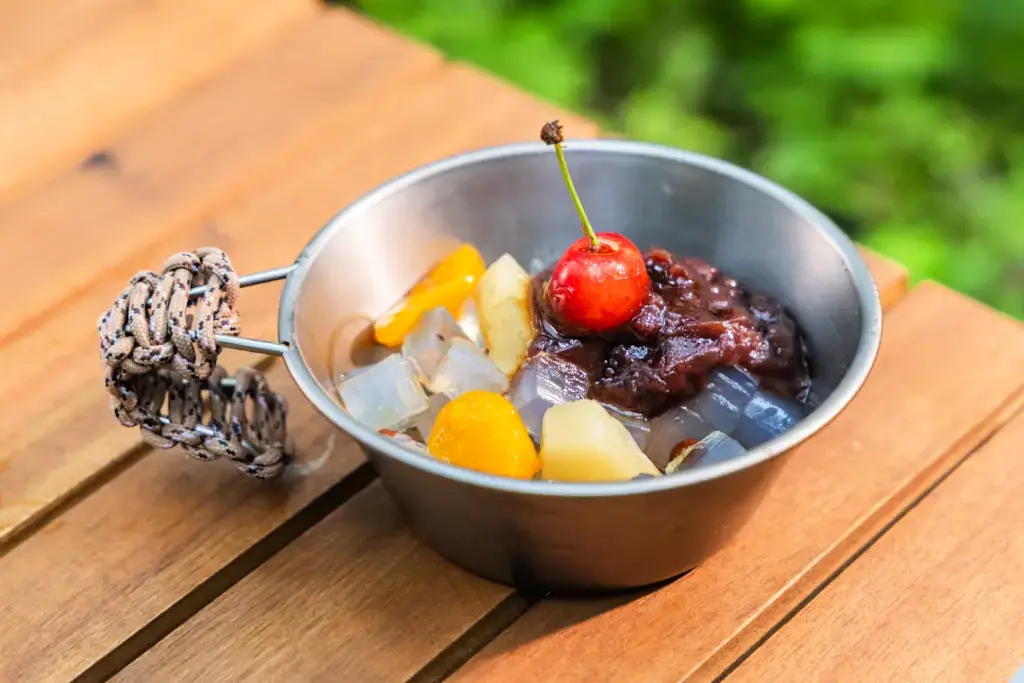
Without major holidays, June is quieter, giving you space to explore neighborhoods at your own pace. Rain-enhanced cityscapes with neon reflections in Dotonbori to misty temple grounds, Osaka in the rain has a cinematic charm that we all love, photographer or not. Early summer foods also begin to appear, and menus shift toward lighter, refreshing flavors suited to the humid weather, such as tsukemen cold noodles and anmitsu desserts.
Practical Tips for Visiting Osaka in June
There is some planning advice you can apply for your journey: for example, be sure to mix indoor and outdoor plans for a flexible itinerary in case of sudden showers or unexpected rescheduling. Popular attractions are a safe bet since there are fewer visitors during the month, and do not hesitate to go in the early morning or evening for cooler temperatures and less crowds.
We also recommend bringing a sturdy umbrella in case of strong winds, a lightweight rain jacket, as well as breathable quick-dry clothes and shoes (or you can also buy them for cheap at Uniqlo or GU), as humidity makes it very hard to dry.
Should you Visit Osaka in June?
Osaka in June isn’t about perfect weather, it’s about atmosphere, authenticity, and discovery. The rain softens the city, revealing a quieter and less crowded side that many travelers miss.
If you embrace the season, you’ll find plenty of festivals that feel more local than touristy, gardens in full bloom, and of course an urban jungle that rewards slow, curious exploration with a lot of hidden gems in its back alleys. Do not let the weather hinder you in your tracks, there is plenty of potential to enjoy Osaka even in the rain, as long as you are appropriately prepared.
Lantern-lit rivers, fireworks exploding above Osaka Castle, and the smell of sizzling takoyaki filling crowded night streets, summer in Osaka is one of the most exciting seasons in Japan. Between June and August, the city comes alive with traditional matsuri festivals, massive fireworks displays, anime conventions, and outdoor music events that attract both locals and visitors from around the world.
If you’re planning a trip to Osaka in summer 2026, or already living in Kansai, this is one of the best times to experience the city’s energy and culture. Historic shrines host centuries-old festivals, rivers glow with illuminated boats, and neighborhoods transform into lively gathering spots packed with food stalls, lanterns, and late-night celebrations.
Osaka Summer Weather: What to Expect
When the rainy season starts in kansai (osaka/kyoto) 2026
Summer in Osaka runs from June to August and is known for its heat and humidity, with average temperature ranging from 20°C to 35°C (86–95°F) during the day, and its rainy season (called tsuyu) happening from early June to mid-July which can bring lots of downpour. Peak heat is expected to hit Osaka and Kansai region as a whole from late July through August, with humidity levels often above 70% and peaking at 100%.
Expect hot days, warm nights, and occasional heavy rain early in the season. Despite the climate, summer remains one of the best times to visit thanks to Osaka’s event calendar.
Top Summer Festivals in Osaka
Below are some examples of must-see festivals during the summer.
One of the most famous festivals bringing people from all over Japan and even overseas. It features traditional processions, a river parade of pagodas with illuminated boats, and a large-scale fireworks event to top it off. It is known for its load of torches and lanterns decorating the city and family and friends dressing up in yukata for the occasion. There is an abundant number of food stalls in Namba, with the most popular ones being the traditional takoyaki as well as kakigori (shaved ice) to fight the overall heat. Do not hesitate to also try your hand at goldfish scooping or the shooting range for the whole festival experience.
Aizen Matsuri (June 30th-July 2nd)
Another historic festival marking the start of summer, with the Hoekago parade of women in yukata riding or carrying decorated palanquins, the Aizen Musume Contest, lantern-lit temple atmosphere and street food stalls. It is known as one of the oldest festivals and a rather compact one, giving it a rather intimate setting while remaining lively and fun.
Ikutama Festival (July 11th-12th)
This festival happens at Ikutama Shrine and is one of the three biggest summer festivals of Osaka, with Tenjin and Aizen festivals featured above. Expect to see the Rikutogyo shrine procession, led by taiko drums and lion dances alongside portable pagodas, and to eat to your heart’s content at the street vendors.
Sumiyoshi Festival (July 30th-August 1st)
This festival closes out the season and is deeply rooted in local traditions. Highlights include the sacred summer purification ritual Nagoshi Harai Shinji, with its traditional parade of Muromachi period attire and shrine ceremonies.
Comic Market in Osaka
comic market osaka
While Japan’s famous Comic Market (referred commonly to as Comiket) takes place in Tokyo, it strongly influences summer events across the country. Comiket itself is the world’s largest fan convention, centered on self-published works (or doujinshi), cosplay, and anime culture, attracting hundreds of thousands of visitors each year.
In Osaka, similar events share the same energy, such as Good Comic City Osaka in August, typically held at INTEX Osaka. This event is sometimes nicknamed “Comiket Osaka” because they offer a comparable experience in Kansai. In 2026, the event is scheduled for August 23. Such events typically feature hundreds of booths selling fan-made comics, art, and merchandise, as well as a cosplay gatherings and photo area.
In particular Good Comic city is Western Japan’s largest doujinshi convention. Over 12,000 creator circles and 4,000 cosplayers gather at INTEX Osaka, with a focus on female-oriented and BL/otome content that represents a massive segment of Japanese fandom. Information can be found on the official site here.
Why It’s Worth Visiting
For foreign visitors and residents, these conventions offer a deep dive into Japanese pop culture, with its unending rows of unique handmade goods you likely won’t find in stores, giving you a chance to interact directly with creators. Even if you’re not deeply into anime or manga, the atmosphere feels like a creative festival, blending art, fandom, and community, and is also one of the least well known types of festivals in Japan.
Summer Sonic Music Festival Osaka
This event is one of, if not the most famous music festival in Japan. While commonly held in Tokyo, the Osaka alternative is just as lively and represents a major highlight in Kansai summer. You can find tickets online and it is easily accessible, being held at Expo 70’ Commemorative Park. In 2026, Summer Sonic will take place between August 14 and August 16th.
Alongside these different festivals, other activities you can also enjoy in Summer include “Nishi-Umeda Candle Night”, with its number of candles covering the ground in numerous places, walks along Nakanoshima, the famous Umeda Sky Building and Tsutenkaku Tower, Dotonbori at night, botanical gardens and parks, such as Osaka Castle Park, shopping malls, aquariums and cafés with cold desserts.
Tips for Managing Osaka Summer Heat
Stay hydrated and bring your own water bottle, as there are only few trash cans around and convenience stores will likely be crowded (Supermarkets are also an option)
Wear lightweight clothing, preferably covering your skin, and use sun screen and sun protection
Plan outdoor activities early morning or evening if you’d like to avoid crowds as much as possible, as they are very popular
Take breaks in air-conditioned spaces to cool off
-bring cash for food stalls and smaller vendors
Use public transport to reduce walking whenever possible, since roads may be closed
Expect crowds, especially at fireworks events, as they are inevitable
Where to Stay in Osaka: Traditional Townhouse Rentals
For visitors who want more than a standard hotel room, staying in a traditional Japanese townhouse (machiya) is one of the most memorable ways to experience Osaka. Shiki Properties specializes in short-term rentals of beautifully renovated traditional homes across Osaka, and currently has a 10–20% summer discount on select stays from May to September 2026 , perfect timing for festival season.
Here’s a look at our Osaka lineup:
⭐ Premium Properties
Kanzaki 01Traditional Townhouse · Up to 4 guests · 73㎡
A designer home near the Mitsuya Shopping Arcade in Yodogawa Ward, Kanzaki 01 blends contemporary style with traditional Japanese touches , high ceilings, timber flooring, shoji screens, and a private balcony. The fully equipped kitchen, deep bathtub, and two spacious bedrooms (one tatami-floored, one western) make it ideal for groups or couples on an extended stay. Kanzakigawa Station is a 3-minute walk, putting Umeda just 5 minutes away by train, and Osaka Castle, Dotonbori, and USJ are all reachable with one transfer. Can be booked together with Kanzaki 02 for groups of up to 8.
Kanzaki 02Traditional Townhouse · Up to 4 guests · 62㎡
The neighboring sister property to Kanzaki 01, sharing the same excellent location near the Mitsuya Shopping Arcade and easy access to central Osaka. A great option for groups wanting two adjacent houses.
A charming premium townhouse accommodating up to 6 guests, a strong choice for families or larger friend groups wanting to stay together in a traditional setting.
A compact and cozy machiya for couples or small groups, with the authentic character of a traditional Osaka townhouse at a more accessible price point.
Set in a quiet neighborhood near Shigino Station, Kaori is a spacious and well-appointed machiya that blends modern comforts with traditional Japanese design. The layout includes a western-style bedroom with a queen bed, a tatami room with two futons, and a double sofa bed in the living area, flexible enough for families or mixed groups of up to five. A fully equipped kitchen, 4K smart TV, dedicated office desk, and washer/dryer make it a great option for both short visits and longer stays. Osaka Castle Park is a 20-minute walk away, and Namba, USJ, and Shin-Osaka are all reachable within 25–40 minutes by train.
All Shiki Properties come fully equipped with air conditioning (essential for Osaka summers), Wi-Fi, kitchen facilities, washing machines, and toiletries. Multilingual staff are available for support at any time.
Summer in Osaka combines traditional festivals and fireworks, modern pop culture and music events, lively nightlife and seasonal food. It’s one of the few places where you can experience both centuries-old traditions and cutting-edge fan culture in the same season, making it an exciting destination for both tourists and residents alike. So, is Osaka worth visiting in Summer? The short answer is yes, if you’re prepared accordingly for the heat. Summer is one of the best seasons to have a fun time in Japan, so do not hesitate to check it out for yourself !


 KYOTO, JAPAN — September 2026 — Hanamiya, an intimate six-suite luxury boutique hotel, is scheduled to open in Kyoto’s Tennocho area in Autumn 2026, offering a private and highly considered base from which to discover Kyoto’s cultural and artistic heart and the enduring traditions of one of Japan’s most richly layered cities. Set overlooking the Kamo and Takase Rivers, Hanamiya Hotel brings together Kyoto craftsmanship, contemporary Japanese design, exceptional sushi, and views toward some of the city’s most celebrated landmarks, including Yasaka Pagoda and Kiyomizu-dera Temple. Approximately a five-minute walk from Kyoto-Kawaramachi Station in the lively center of Kyoto, Hanamiya offers an atmosphere of privacy and seclusion. With only six guestrooms, the hotel is particularly suited to discerning travelers, families, and larger groups seeking an exclusive stay in the city. Each floor comprises two suites, which can be reserved together as a private floor, creating the feeling of an exclusive residence in the heart of Kyoto.