Most visitors walking through Kyoto’s Kikuhama area today would never guess the neighbourhood’s unusual past.
Located near the Kamogawa River just south of Gojo Street, the area is now known for its renovated machiya townhouses, stylish cafés, boutique accommodations, and relaxed local atmosphere. But behind the quiet streets lies a history connected to Kyoto’s former entertainment districts, the yakuza, and even the early origins of Nintendo.
Seika construction in progress
As Shiki Properties continues work on our upcoming machiya Seika, we’ve been reflecting on how dramatically this part of Kyoto has transformed over the past century, and why it’s quickly becoming one of the city’s most interesting areas to stay.
The Forgotten History of Kyoto’s Gojo Paradise
An example of prior teahouse now used as a guesthouse
Before its recent redevelopment, Kikuhama was home to Gojo Paradise (五条楽園), one of Kyoto’s best-known entertainment districts. The area originally developed during the Edo period and became famous for its traditional tea houses, geisha culture, and nightlife. At its peak in the 1960s, the district reportedly contained around 200 tea houses and 20 geisha houses, making it one of Kyoto’s busiest after-dark destinations.
Although Japan introduced the Anti-Prostitution Law in 1958, many businesses in the area continued operating for decades through legal loopholes and changing business structures. Over time, however, shifts in lifestyle, westernisation, and new forms of entertainment caused the district to slowly decline. By the early 2000s, only a handful of businesses remained.
The Surprising Connection Between Nintendo and Kyoto’s Underworld
Nintendo’s former HQ is now a hotel
One of the most fascinating parts of the neighbourhood’s history is its connection to Nintendo. Long before becoming one of the world’s biggest gaming companies, Nintendo began in Kyoto as a hanafuda and karuta playing card manufacturer. During the early 20th century, gambling establishments throughout Kyoto created strong demand for these cards, especially during periods when western-style playing cards faced restrictions. As a result, members of Kyoto’s underworld and gambling circles became some of Nintendo’s early customers.
Hanafuda cards
The company later experimented with several businesses during Japan’s postwar economic boom, including taxis, food ventures, and reportedly even plans related to the love hotel industry. However, Nintendo eventually shifted its focus toward toys and electronic entertainment, completely reinventing itself into the global family-friendly brand recognised today. By the late 1960s, the company had largely distanced itself from Kyoto’s nightlife districts and expanded toward Tokyo and international markets.
From Yakuza Headquarters to Creative Hub
Yakuza HQ is now a special place for artists
For many years, the neighbourhood remained closely associated with the Kyoto-based yakuza group Aizukotetsu-kai (会津小鉄会), whose headquarters stood nearby. Even as cafés, guesthouses, and hotels began opening in the area during the 2010s, many locals still viewed the district as dangerous because of its lingering reputation. That image finally began to change in 2017, when Kyoto City ordered the yakuza headquarters to cease operations. The building was demolished in 2021, symbolising a major turning point in the neighbourhood’s redevelopment.
In a twist that surprised many locals, the site was later purchased by Yamauchi No.10 (YN10), a foundation established by Nintendo’s founding family. Today, YN10 is leading several long-term redevelopment projects in the area, including SOHA and the Takase River Project, with the goal of transforming the neighbourhood into a creative district for artists, designers, entrepreneurs, and local businesses. The riverside areas are also being revitalised, creating new public spaces where locals and visitors can once again enjoy the atmosphere along the Takase River and Kamogawa River.
Why Kikuhama Is Becoming One of Kyoto’s Most Interesting Areas to Stay
Ikehan -a popular tea house next to the river
Walking through Kikuhama today feels very different from its past reputation. The streets are lined with independent cafés, renovated machiya, small restaurants, and creative spaces. Young Kyoto residents are increasingly moving into the area, while visitors are discovering a quieter alternative to more crowded tourist districts like Gion or Higashiyama.
At the same time, traces of the neighbourhood’s history remain visible through its architecture. Some former tea houses still feature traditional tiled exteriors, stained glass windows, and distinctive karahafu-style roofs, giving the area a unique atmosphere that blends old Kyoto with modern redevelopment. This balance between preservation and renewal is part of what makes the neighbourhood so compelling today.
Discovering Kyoto Beyond the Tourist Areas
As Shiki Properties prepares for the completion of our upcoming machiya Seika, we’re also thinking about how to preserve and reflect the character of the surrounding area through design. Our construction team is currently incorporating subtle elements inspired by the neighbourhood’s architectural history into the property’s interiors, helping guests experience a deeper connection to this evolving part of Kyoto.
Incorporating Hanafuda cards into Seika’s design
Located just moments from the Kamogawa River in the same area, Kumei is one of Shiki Properties’ machiya accommodations in the area. Designed for groups of up to six guests, the property combines traditional Kyoto architecture with modern comfort, making it ideal for families, small groups, or longer stays.
One of Kumei’s biggest attractions is its location. Guests can easily walk along the Kamogawa River in the mornings or evenings, explore nearby cafés and restaurants, or reach central Kyoto areas such as Gion, Kawaramachi, and Kiyomizu-dera within a short distance. Despite being so close to the city centre, the neighbourhood still retains a calm residential atmosphere that many visitors are increasingly seeking out.
Kikuhama’s story is ultimately one of reinvention: a neighbourhood once associated with gambling, nightlife, and organised crime that is gradually becoming one of Kyoto’s most creative and culturally fascinating districts.
Japan’s health ministry reassures travelers and residents as hantavirus concerns surface globally
Here’s What Happened
Earlier this week, a cruise ship in the Atlantic Ocean experienced an outbreak of suspected hantavirus that resulted in three deaths. Given that a Japanese national is among the passengers, Japan’s health ministry released a public statement addressing concerns about the virus potentially spreading to the country.
The news made headlines, and naturally, you may of started wondering: Is Japan safe? Should travelers still plan their summer trips? What do health officials say?
The official word: On May 7, Japan’s health ministry confirmed that the risk of hantavirus spreading through person-to-person transmission remains low, even if infected passengers enter the country. They called on the public to remain calm.
What the Health Ministry Wants You to Know
Japan’s health authorities have been clear and straightforward about this. Here are the key points they’ve emphasized:
How Hantavirus Actually Spreads
Hantaviruses transmit primarily through the excreta of infected rodents, not easily from person to person. This is the critical detail that changes everything about the threat assessment. While some viruses can spread person-to-person after initial infection, hantavirus generally doesn’t work that way.
The health ministry specifically noted that person-to-person transmission has been documented for some viruses, but confirmed hantavirus cases in Japan remain at zero. Zero. That’s the historical record.
What Hantavirus Actually Does
When someone does become infected with hantavirus, symptoms include fever and cough, symptoms that, while serious, are treatable and manageable by medical professionals. The mortality rate hovers around 40-50%, which sounds scary on paper, but context matters: these are global figures involving people who may not have immediate access to modern healthcare. Japan has world-class medical facilities everywhere.
The bottom line? Hantavirus requires specific conditions to transmit, and Japan’s urban infrastructure, sanitation standards, and healthcare system make those conditions extremely unlikely to develop.
Key Facts
No confirmed cases in Japan. Despite rodents existing worldwide, Japan has maintained a clean record with hantavirus. The combination of urban density, modern housing standards, and rigorous public health monitoring creates a protective environment.
Why Traveling to Japan Remains Safe
The System is Built for This
Japan doesn’t just react to health threats, it prevents them. The country maintains quarantine stations at borders where travelers undergo health screening. If someone with concerning symptoms arrives, officials already know about it and have established protocols ready to go. This isn’t something being figured out in real time.
Daily Life Continues Normally
Walk through Tokyo’s Shibuya Crossing right now. Take the train to Kyoto and visit the temples. Eat at a packed ramen restaurant in Osaka. You’ll see Japanese residents living their lives with the confidence that comes from actually living in one of the safest, healthiest countries on Earth. There are no warnings, no panic, no disruptions.
Travelers Have Options
The health ministry has practical guidance for anyone traveling: be aware of the virus and its transmission route (contact with rodents), remain alert to unusual health symptoms, and seek medical attention if needed. These are common-sense precautions that apply to travel anywhere, not unusual restrictions unique to Japan.
Should You Still Plan Your Summer Trip?
Absolutely. Japan welcomes millions of visitors every year for good reason. The country offers incredible culture, food, scenery, and hospitality. A hantavirus outbreak on a cruise ship halfway around the world doesn’t change what makes Japan an amazing destination, and Japan’s health ministry’s own assessment confirms that travel remains safe.
Summer in Japan is spectacular. The weather, the festivals, the energy of the cities, it’s prime travel season. Kyoto’s historic temples feel magical in the warm season. Osaka’s food scene comes alive. Coastal areas offer beaches and ocean breezes.
Looking for Accommodation in Kyoto or Osaka?
If you’re ready to book your summer trip, Shiki Properties offers a range of authentic accommodations across both cities. Whether you want to stay in a traditional machiya or prefer modern comfort, we’ve got options that fit any travel style and budget.
Traditional Machiyas
A machiya, one of those beautiful traditional wooden townhouses lining Kyoto’s historic streets, puts you right in the heart of authentic Japan. You’ll wake up in a piece of history while enjoying modern comforts. We have over 40 machiyas in Kyoto and several in Osaka. Additionally we currently are running a special summer campaign where you can get 10-20% off select stays between May and September 2026. View our discount page here for more information. Three great options to consider:
Yellowstone (Kyoto)— Sleeps 5, 101㎡. Our most spacious machiya, perfect for groups wanting room to spread out and experience traditional living in style
Tofukuji Sakura (Kyoto) — Sleeps 7, 71.92㎡. Located near Tofukuji Temple, one of Kyoto’s most stunning natural attractions, especially beautiful in autumn
Kanzaki 01 (Osaka)— Sleeps 4, 73㎡. A premium Osaka townhouse with modern touches, perfect for experiencing Osaka’s vibrant energy while staying in a traditional setting
Modern Hotels: Shiki Suites & Toji Suites & Residence
If you prefer contemporary comfort, we have excellent hotel options. Shiki Suites Kyoto Umekoji offers modern jacuzzi suites and spacious junior rooms (28㎡) in a sleek setting. Kyoto Toji Suites & Residence combines minimalist design with larger rooms (42–44㎡) that feel like apartments, ideal for longer stays. For something more intimate, Tofukuji Riverside offers cozy hotel rooms (21–26㎡) near temples in a quieter neighborhood. All feature modern amenities while keeping that authentic Japanese hospitality touch.
Planning a longer stay? We offer monthly rental options in both Kyoto and Osaka that give you flexibility and better rates. Whether you’re working remotely, taking an extended cultural immersion trip, or just want to truly settle into life in Japan, monthly rentals let you experience the cities like a local rather than a tourist.
The Bottom Line
Japan’s health ministry has confirmed what residents already know: life here is safe and normal. A health threat on a cruise ship in the Atlantic doesn’t change the reality of Japan’s world-class healthcare system, rigorous public health infrastructure, or the actual facts about how hantavirus spreads.
Don’t let a headline prevent you from experiencing an incredible destination. Japan in the summer awaits, the warmth, the culture, the food, the people. And when you arrive, comfortable, welcoming accommodations will be ready to make your stay unforgettable.
Book your summer escape to Kyoto or Osaka today and experience Japan the way it should be experienced, with confidence and wonder.
The Gion Festival (祇園祭) runs the entire month of July, and where you sleep could be the difference between watching the parade from a rooftop and scrambling through the crowd at 6 AM. Here’s everything you need to know about finding the perfect base for Japan’s greatest festival, with accommodation options that put you right in the heart of the action.
Kyoto in summer is a vivid blend of tradition, culture, and seasonal beauty. From historic festivals and lantern-lit rituals to modern fireworks shows and peaceful temple experiences, summer festivals in Kyoto offer something for every traveler. If you’re planning a trip between June and August, this guide covers the best Kyoto has to offer during the season.
Gion Festival
Gion Matsuri: Kyoto’s Most Famous Summer Festival (July 1st-31st)
The highlight of Kyoto summer festivals is undoubtedly Gion Matsuri, held throughout July. With origins dating back over 1,000 years, this iconic event transforms the city into a vibrant historic celebration.
The main attraction is the Yamaboko Junko, a grand parade of massive wooden floats decorated with decorative textiles and carvings. In the evenings leading up to the parade, downtown Kyoto becomes a lively pedestrian zone lined with street food stalls and lanterns. It is also a nice opportunity to try on yukata for an authentic festival mood.
Where to stay in Kyoto during the Gion Matsuri?
Planning a trip to Gion Matsuri? One of Japan’s most famous summer festivals brings huge crowds to Kyoto every July, which means hotels, especially around the lively Shijo Street area, often sell out months in advance. If you’re still looking for accommodation, consider staying in a traditional private machiya townhouse. These historic Kyoto homes offer more space, privacy, and an authentic local experience compared to standard hotels.
We offer several machiya properties conveniently located within walking distance,or just one or two train stops, from the main festival areas. Popular options include Kai , Zen Fuyacho,Natsu, Gojo Furusato and more, giving you easy access to the parade routes, evening street food stalls, and cultural events during Gion Matsuri. We are also running a special summer campaign where you can get a 20% discount on stays between May and September when you use this code KYOTOGRAPHIE2620 when you pay on our direct booking site.
If you’re looking to stay in Kyoto for the whole duration of the festival we recommend checking out our monthly options.
Kyoto Geijutsu Hanabi: A Modern Fireworks Experience (June 3rd)
For a contemporary twist on tradition, Kyoto Geijutsu Hanabi is one of the most unique Kyoto summer events. This ticketed fireworks show elevates hanabi (or fireworks) into a form of performance art, a great way to kickstart the season. Held at Kyoto Racecourse, each display is choreographed to music with precise timing, creating a cinematic experience with beautiful storytelling. With its showcase of thousands of fireworks, it feels more like a live show than a casual event. As it is a very popular event held almost every year, be sure to preorder your tickets in advance: thankfully, there is official online support of foreign-issued cards, and once you have your tickets in hand, you do not have to show up extra early or fight for space.
Where to stay in Kyoto during the Geijutsu Hanabi ?
We have a monthly rental property, Yanagi, located one stop away from JRA Kyoto Racecourse. Yanagi is a stylish and elegantly simple Kyoto townhouse, designed to ensure the ultimate comfort and flexibility in a peaceful location easily accessible from the city center. This two-story house is located only 2 minutes from Chushojima Station on the Keihan Line. From there, you have easy access to Kyoto Station or the Higashiyama area.
For a quieter and more atmospheric experience, the Shōju-in Wind Chime Festival is one of the cooler activities in Kyoto you can enjoy.
Held from June to September in Ujitawara Town, this event features Instagram-worthy tunnels of over 2,000 glass wind chimes, called furin, displayed throughout the temple grounds. As the breeze flows through, the gentle ringing creates a natural cooling effect: something deeply appreciated during Kyoto’s famously humid summer. The temple also offers to make your own wind chime for a meager price. Other activities include shaping incense or trying your hand at copying sutras, to get a nice souvenir of the place to bring back home.
Let’s also not forget about the heart-shaped window (or inome) view the temple is known for. This photogenic piece of scenery makes for a great photo spot, so do not hesitate to check it out for yourself.
Kyoto Daisakusen: Kyoto’s Biggest Summer Music Festival (July 4th-5th)
What would be a Japanese summer without music festivals? This yearly festival hosts one of the most exciting Kyoto summer events and a must-see experience.
Organized by the Kyoto-based rock band 10-FEET, this large-scale outdoor music festival takes place every July in Uji at the Yamashiro General Sports Park, creating a high-energy yet relaxed outdoor experience. Attendance can reach tens of thousands, and since its launch in 2007, it has grown into one of the region’s most anticipated summer traditions, often considered the unofficial kickoff to summer in Kyoto.
What makes Kyoto Daisakusen unique is its artist-driven atmosphere. Unlike commercial festivals, it is curated by musicians themselves, which creates a strong sense of connection between performers and fans. Key highlights include multiple stages featuring top Japanese rock and indie artists, special collaborations and one-time-only performances, as well as a welcoming, community-driven vibe overall, driven in part by eco-conscious initiatives like recycling systems and reusable cups. We recommend booking early for this festival as well, as tickets tend to sell out fast.
Daimonji / Gozan no Okuribi: Ending Summer with Fire (August 16th)
On August 16th, Kyoto hosts Daimonji,also known as Gozan no Okuribi, one of the most symbolic summer events in Japan. This event marks the end of the season, and giant bonfires are lit on mountains surrounding the city one by one, forming kanji characters that can be seen from afar. They are said to guide ancestors back to the spirit realm safely after their yearly visit during Obon season and festivals, and families often create little vehicles for them to ride on using bamboo sticks and vegetables called shoryo-uma, or spirit horses, making it a cute and thoughtful way to pay respects, rooted in tradition.
The event happens around 8PM in the early evening around various parts of the city: the atmosphere is calm and reflective, while still being lively. It represents the true highlight of Kyoto summer, a scenery like this never seen anywhere else in Japan.
Traditional Summer Activities in Kyoto
Beyond festivals, there are many things to do in Kyoto in summer that showcase seasonal traditions, such as:
Riverside Dining (Kawayuka & Kawadoko)
Enjoy meals on platforms built over rivers like the Kamogawa river or in cooler mountain areas like Kibune. This is one of the most iconic ways to experience Kyoto in summer.
Evening Temple Illuminations
Many temples offer special night openings with beautiful lighting, creating a magical atmosphere without daytime crowds.
Local Neighborhood Festivals (Jizō-bon)
Smaller, community-based festivals in late August provide an authentic glimpse into local life.
Fireworks and Night Events
In addition to Kyoto Geijutsu Hanabi, nearby areas host traditional fireworks displays, perfect for a classic Japanese summer experience.
Tips for Visiting Kyoto in Summer
If you’re planning to explore Kyoto in June, July or August, keep these tips in mind:
Stay hydrated: We cannot stress this enough, especially considering Kyoto’s location surrounded by five sacred mountains, making wind and clouds difficult to pass by. Temperatures often exceed 30°C (86°F) with high humidity, which can make adjusting to the heat difficult
Plan for evenings, as many events are best enjoyed after sunset, avoiding peak heat during the day at the same time
Book early whenever possible, summer is the high season and hotels and event tickets sell out quickly
Use public transport, as many roads can be crowded or even closed-off during festivals
Why Visit Kyoto in Summer?
Kyoto’s summer is a season of contrasts: lively festivals and quiet temples, modern fireworks and ancient rituals. Whether you’re drawn by the energy of Gion Matsuri, the artistry of Kyoto Geijutsu Hanabi, or the tranquility of the Shōju-in Wind Chime Festival, there’s no shortage of unforgettable experiences.
Kyoto is often seen as the heart of traditional Japanese cuisine, but for vegan, vegetarian, and halal-conscious travelers, it can feel challenging at first. Many dishes contain dashi (fish-based broth), and dietary requirements are not always clearly labeled. Thankfully, Kyoto has become increasingly inclusive, thanks to its Buddhist culinary traditions and growing international tourism. The city now offers a wide range of vegan, vegetarian, and Muslim-friendly dining options, from temple cuisine to halal ramen and fusion cafés.
This guide highlights some good places for plant-based and halal-friendly food, especially suited to foreign visitors.
Traditional Kyoto Temple Cuisine: Shojin Ryori
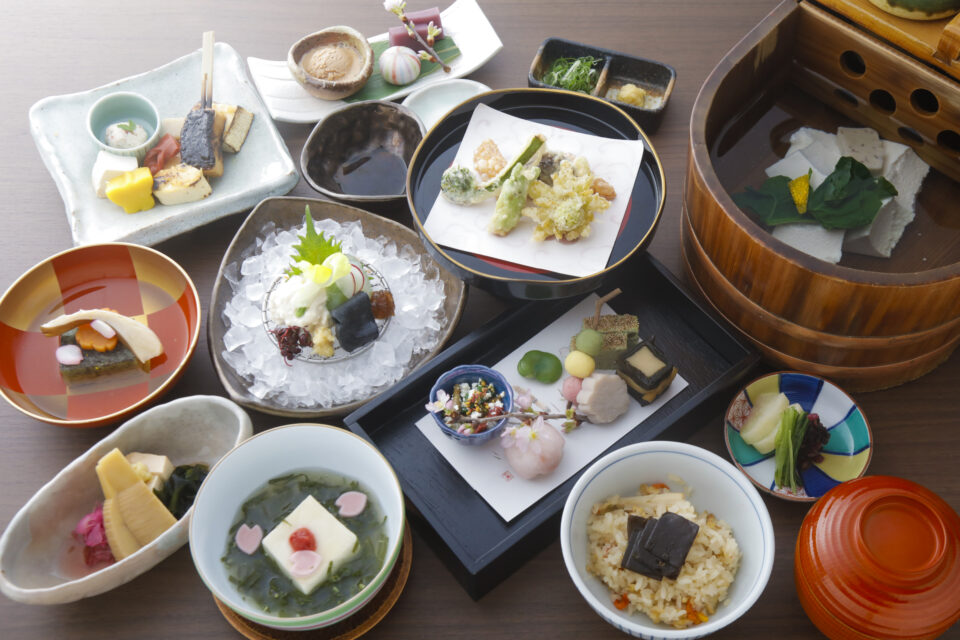
Kyoto’s original plant-based food culture comes from shojin ryori, the cuisine of Zen Buddhist monks. It avoids meat, fish, and strong aromatics, focusing instead on seasonal vegetables, tofu, and balance. Here are some options below:
Located within Tenryu-ji Temple at Arashiyama, the restaurant offers a peaceful setting and traditional multi-course meals. The menu consists of three options Tsuki, Yuki and Hana, all of which have the main dishes of rice and soup – with the side dishes being the difference, You can reserve online.
This restaurant is located within Daitoku-ji Temple, 20 minute walk from Kita-Oji Station on the subway. The menu consists of various set menu options
Known for refined seasonal dishes served in temple surroundings. You can reserve via tabelog.
While not halal-certified, shojin ryori is often naturally vegan, making it also a good option for Muslim travelers who are comfortable with plant-based meals.
Vegan and Muslim-Friendly Japanese Comfort Food
Kyoto has developed a strong scene for vegan versions of classic Japanese dishes, some of which also cater to Muslim travelers. Here are some recommendations:
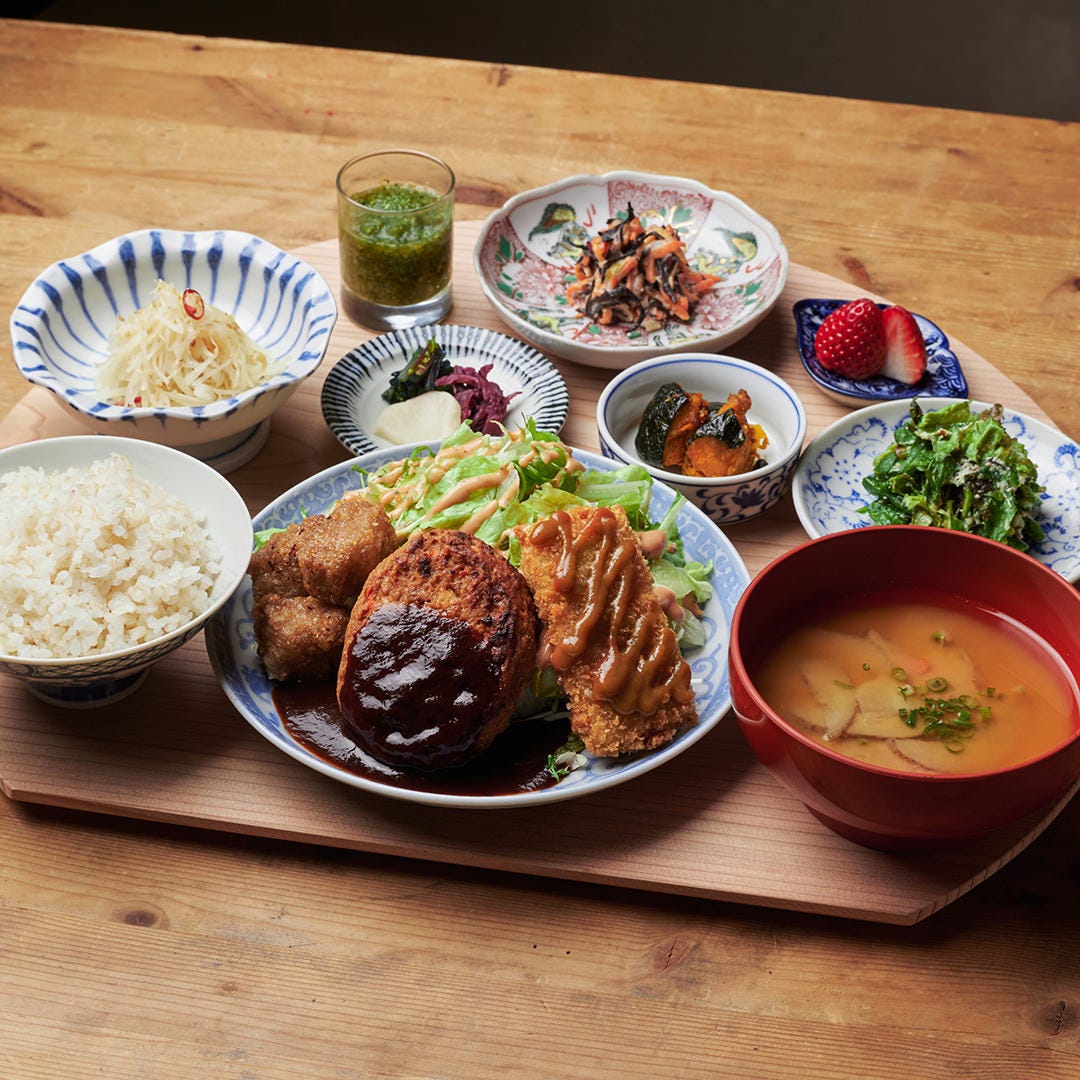
A standout option that offers both vegan and Muslim-friendly options using halal-certified ingredients. While not fully halal-certified, it follows a clear Muslim-friendly policy and accommodates dietary needs.
Offers vegan pancakes, burgers, and desserts, making it ideal for those craving Western-style comfort food.
Veg Out
Located along the Kamogawa River, this café provides a relaxed atmosphere and a menu featuring mostly Western vegan dishes.
These spots are especially accessible for foreigners, with English menus and flexible dietary options.
Fully Vegan & Vegetarian Restaurants with Muslim-Friendly Appeal
Some restaurants focus primarily on vegan and vegetarian food but are also suitable for Muslim travelers thanks to their plant-based menus, the most popular ones being:
A vegan, gluten-free café serving international-style dishes like wraps and burgers. Their menu also has a cheese focus so it’s great for cheese lovers.
Specializes in yuba (tofu skin), a Kyoto delicacy made from soy milk and served in refined dishes. They offer a special vegetarian course. Their dishes are dishes are free of meat, fish (including bonito broth), eggs, and dairy products. Reservations are required and can be done via jpneazy.
Offers tofu-based kaiseki dining, showcasing the depth and versatility of soy-based cuisine. They offer special vegetarian courses.
These restaurants highlight the unique culinary traditions, based around seasonal ingredients, that make Kyoto distinct from other regions, often adaptable to dietary restrictions.
Halal Restaurants in Kyoto
For travelers specifically seeking halal-certified or strongly Muslim-friendly options, Kyoto has a growing selection, including:
Known for halal ramen and Japanese-style dishes adapted for Muslim diners.
Consider these restaurants if you prefer certified halal meals rather than vegan alternatives.
Tips for Vegan, Vegetarian & Halal Travelers in Kyoto
It remains important to do research in advance to learn key phrases such as “no meat, no fish, no dashi” when dining out and keep an eye for “vegan” or “Muslim-friendly” labels on menus, which are sometimes labelled in a confusing manner due to language barriers.
Please also understand the difference between halal-certified and Muslim-friendly restaurants, since it is a subtle but important difference to consider your options. Since halal restaurants tend to be very limited, consider vegan restaurants as a safe fallback if you feel comfortable doing so.
Finally, stay in central areas like Kawaramachi or Gion, where most inclusive dining options are usually located, and keep in mind to make reservations in advance whenever you can, especially for temple dining experiences where it is required.
Is Kyoto flexible when it comes to dietary restrictions?
All in all, you may require a bit more planning for vegan, vegetarian, and halal options, but restaurants do exist and offer a surprisingly rich and rewarding experience. The city is increasingly evolving to welcome diverse dietary needs, which means that as a foreigner traveler you can experience Kyoto’s food culture without compromise.