

Vegan, Vegetarian & Halal Food in Kyoto: The Best Restaurants for Foreign Travelers 2026
Kyoto is often seen as the heart of traditional Japanese cuisine, but for vegan, vegetarian, and halal-conscious travelers, it can feel challenging at first. Many dishes contain dashi (fish-based broth), and dietary requirements are not always clearly labeled. Thankfully, Kyoto has become increasingly inclusive, thanks to its Buddhist culinary traditions and growing international tourism. The city now offers a wide range of vegan, vegetarian, and Muslim-friendly dining options, from temple cuisine to halal ramen and fusion cafés.
This guide highlights some good places for plant-based and halal-friendly food, especially suited to foreign visitors.
Traditional Kyoto Temple Cuisine: Shojin Ryori
Kyoto’s original plant-based food culture comes from shojin ryori, the cuisine of Zen Buddhist monks. It avoids meat, fish, and strong aromatics, focusing instead on seasonal vegetables, tofu, and balance. Here are some options below:

Shigetsu
Located within Tenryu-ji Temple at Arashiyama, the restaurant offers a peaceful setting and traditional multi-course meals. The menu consists of three options Tsuki, Yuki and Hana, all of which have the main dishes of rice and soup – with the side dishes being the difference, You can reserve online.

Izusen Daijiinten
This restaurant is located within Daitoku-ji Temple, 20 minute walk from Kita-Oji Station on the subway. The menu consists of various set menu options
Known for refined seasonal dishes served in temple surroundings. You can reserve via tabelog.
While not halal-certified, shojin ryori is often naturally vegan, making it also a good option for Muslim travelers who are comfortable with plant-based meals.
Vegan and Muslim-Friendly Japanese Comfort Food
Kyoto has developed a strong scene for vegan versions of classic Japanese dishes, some of which also cater to Muslim travelers. Here are some recommendations:

TowZen
Famous for its creamy soy milk-based ramen, which replaces traditional pork broth with a rich plant-based alternative.
Vegan Ramen UZU Kyoto

A fully plant-based ramen restaurant with unique appetizers. Reservations can be made online.
Halal Wagyu & Vegan Ramen Gyumon Kyoto

Offers halal-certified options alongside vegan ramen, allowing mixed dietary groups to dine together. A prayer room is also available to be used.
These restaurants are particularly valuable because they combine Japanese culinary experiences with dietary inclusivity.
Modern Vegan & Muslim-Friendly Cafés
Kyoto also offers stylish, contemporary spaces where vegan and halal-friendly menus coexist.

Hyssop (@Good Nature Station)
A standout option that offers both vegan and Muslim-friendly options using halal-certified ingredients. While not fully halal-certified, it follows a clear Muslim-friendly policy and accommodates dietary needs.
Mumokuteki Cafe
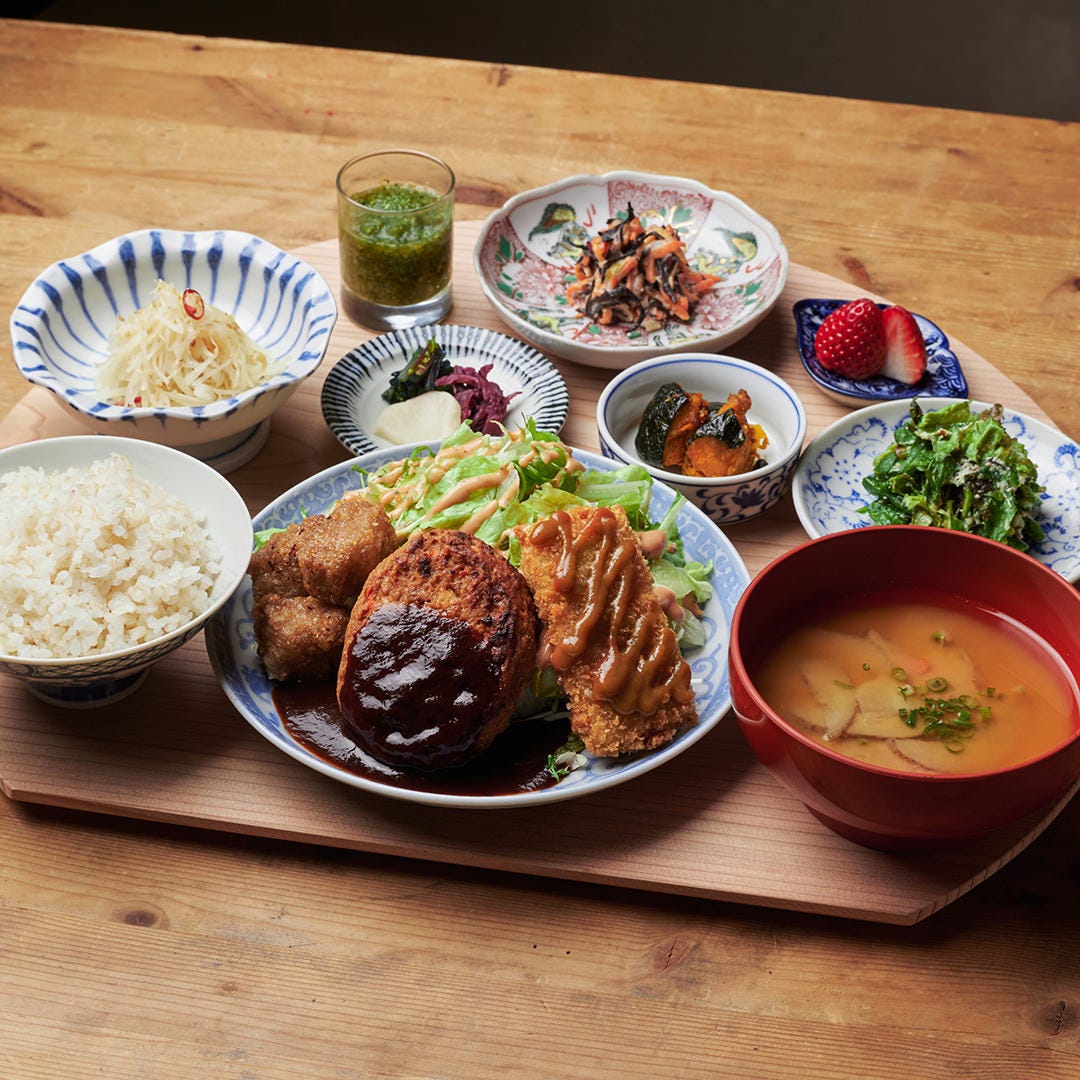
A popular vegan café known for beautifully presented meals and a relaxed atmosphere.

Ain Soph. Journey Kyoto
Offers vegan pancakes, burgers, and desserts, making it ideal for those craving Western-style comfort food.

Veg Out
Located along the Kamogawa River, this café provides a relaxed atmosphere and a menu featuring mostly Western vegan dishes.
These spots are especially accessible for foreigners, with English menus and flexible dietary options.
Fully Vegan & Vegetarian Restaurants with Muslim-Friendly Appeal
Some restaurants focus primarily on vegan and vegetarian food but are also suitable for Muslim travelers thanks to their plant-based menus, the most popular ones being:

Vegginy
A vegan and vegetarian restaurant offering creative dishes in a modern setting.

CHOICE
A vegan, gluten-free café serving international-style dishes like wraps and burgers. Their menu also has a cheese focus so it’s great for cheese lovers.

Falafel Garden
A vegan/vegetarian-friendly Middle Eastern restaurant known for generous portions and a relaxed environment.
These are all safe choices if you prefer to avoid confusion on food ingredients and for anyone seeking variety from traditional Japanese food.
Kyoto Specialties for Vegetarians
Kyoto’s plant-based food is not only about substitutes but also about celebrating local ingredients, such as:

Kyo Yubadokoro Seike Nijojo Branch
Specializes in yuba (tofu skin), a Kyoto delicacy made from soy milk and served in refined dishes. They offer a special vegetarian course. Their dishes are dishes are free of meat, fish (including bonito broth), eggs, and dairy products. Reservations are required and can be done via jpneazy.

Tousuiro
Offers tofu-based kaiseki dining, showcasing the depth and versatility of soy-based cuisine. They offer special vegetarian courses.
These restaurants highlight the unique culinary traditions, based around seasonal ingredients, that make Kyoto distinct from other regions, often adaptable to dietary restrictions.
Halal Restaurants in Kyoto
For travelers specifically seeking halal-certified or strongly Muslim-friendly options, Kyoto has a growing selection, including:

Istanbul Saray
A halal-certified Turkish restaurant offering kebabs, bread, and traditional dishes in central Kyoto.

Salman and Sohel Halal Kitchen
Serves Indian, Turkish, and Middle Eastern cuisine, and is located near a mosque, making it convenient for Muslim travelers.

Ayam Ya Karasuma
Known for halal ramen and Japanese-style dishes adapted for Muslim diners.
Consider these restaurants if you prefer certified halal meals rather than vegan alternatives.
Tips for Vegan, Vegetarian & Halal Travelers in Kyoto
It remains important to do research in advance to learn key phrases such as “no meat, no fish, no dashi” when dining out and keep an eye for “vegan” or “Muslim-friendly” labels on menus, which are sometimes labelled in a confusing manner due to language barriers.
Please also understand the difference between halal-certified and Muslim-friendly restaurants, since it is a subtle but important difference to consider your options. Since halal restaurants tend to be very limited, consider vegan restaurants as a safe fallback if you feel comfortable doing so.
Finally, stay in central areas like Kawaramachi or Gion, where most inclusive dining options are usually located, and keep in mind to make reservations in advance whenever you can, especially for temple dining experiences where it is required.
Is Kyoto flexible when it comes to dietary restrictions?
All in all, you may require a bit more planning for vegan, vegetarian, and halal options, but restaurants do exist and offer a surprisingly rich and rewarding experience. The city is increasingly evolving to welcome diverse dietary needs, which means that as a foreigner traveler you can experience Kyoto’s food culture without compromise.